“We the People of the United States, in Order to form a more perfect Union, establish Justice, insure domestic Tranquility, provide for the common defence, promote the general Wel-fare, and secure the Blessings of Liberty to ourselves and our Posterity, do ordain and establish this Constitution for the United States of America.”
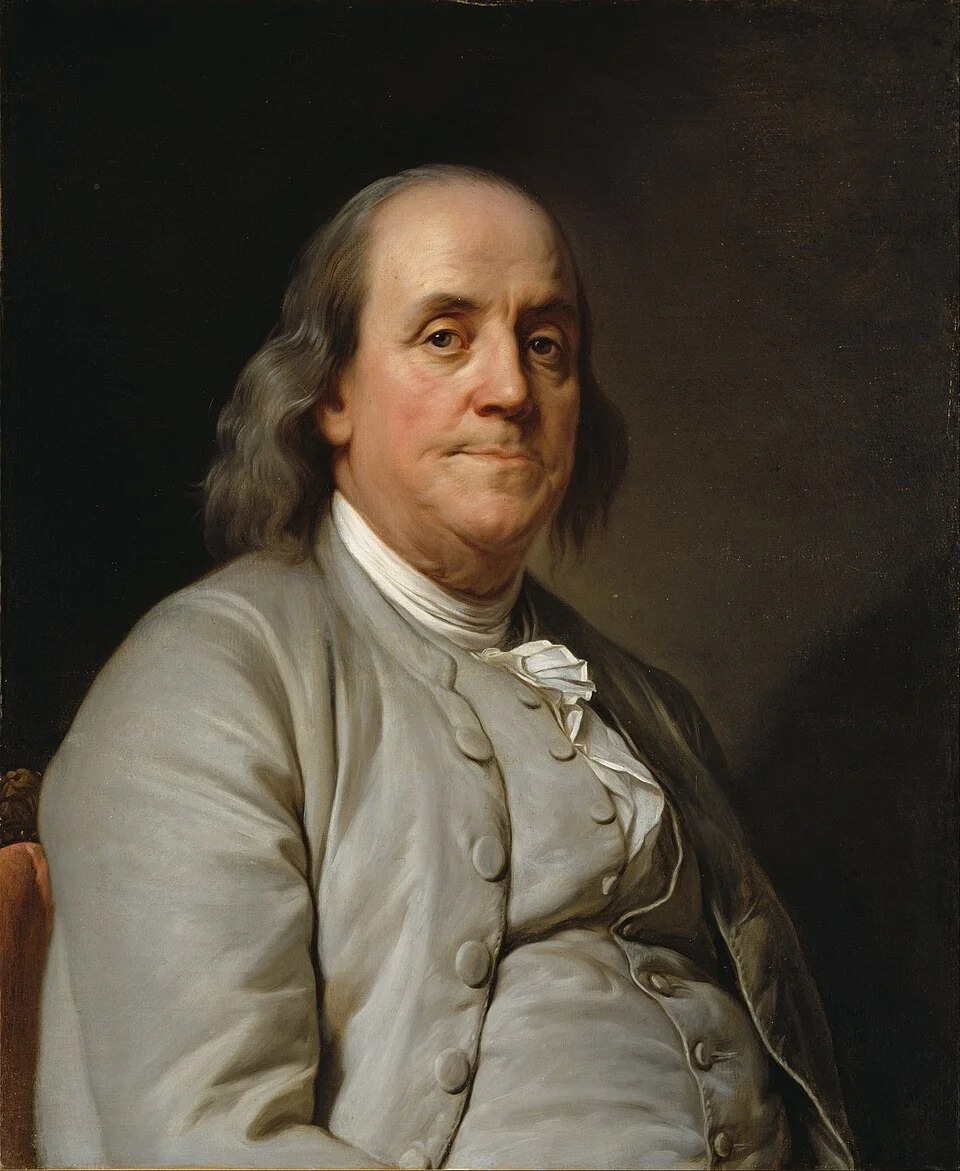
The question was once put to Benjamin Franklin: What kind of government have you given us— a Republic or a Monarchy? His reply was brief and enduring: “A Republic, if you can keep it.” Those words were spoken in 1787, and they remain no less true today.
A republic is never a finished work. Its rules are not frozen on parchment. They invite the people to practice them—day by day, generation by generation, at every level of society: in the nation, the states, the communities, and the daily lives of citizens.
The opening words of our founding charter speak plainly: “We the People …” Not a king. Not a family. Not a ruling class. The people—taken together as a common body—are the source of authority. Unity does not erase diversity; it arises from it. The common good is built from the plurality of citizens.
A republic stands in opposition to monarchy and dictatorship. In such systems, power rests in a single family or ruler and passes from one generation to the next—often by bloodline, often by force. History remembers the names of such houses: Habsburg, Romanov, Bourbon, Windsor.
Benjamin Franklin -
A Republic, if you can keep it.
A republic rests on a different principle. Here, the people rule themselves. Because they are many, they delegate authority to representatives—chosen freely, entrusted temporarily, and replaced when necessary. These limits, written and unwritten, form what we call democratic rules. Democracy and republic are not rivals; they are two sides of the same coin. One gives structure, the other gives life.
Where there are many citizens, there will be many opinions. As the saying goes, from a thousand people come a thousand meanings—and more. Democracy does not fear this. It depends upon respectful dialogue, debate, and deliberation, through which a majority may be formed. What gains the consent of the majority governs, but always with respect for the rights of the minority.
The roles and limits of the republic are set forth in a foundational document: the Constitution, drafted in 1787 at the Constitutional Convention in Philadelphia. It establishes the framework of governance, but it does not—and cannot—answer every question. The fairness and strength of democracy depend on how these rules are interpreted and applied over time.
A living democracy is not preserved by documents alone. Parchment cannot defend itself. Democracy is sustained by people—by civic habits, shared norms, and a common faith in the system itself. Participation, not perfection, is its demand.
Each generation bears responsibility for the republic it inherits. To interpret its principles wisely, to protect its institutions faithfully, and to improve its practices when justice requires it—this is how a republic is kept.