John Jay - Coping with a Crisis
Many voices today claim that American democracy is in crisis. Whether that judgment is fully accurate is not the central question. What is undeniable is that political and social institutionsstudied within the social sciences are constantly changing. Small shifts, accumulated over time, can reshape the quality of public life. Such gradual changes may eventually produce conditions that feel like crisis, even when no single moment marks a collapse. What feels like crisis is often the accumulation of neglected responsibilities rather than sudden failure.
These developments raise serious questions. Do incremental changes ultimately require amendments to the Constitution? Must existing amendments be revised or expanded? Is the Bill of Rights incomplete?
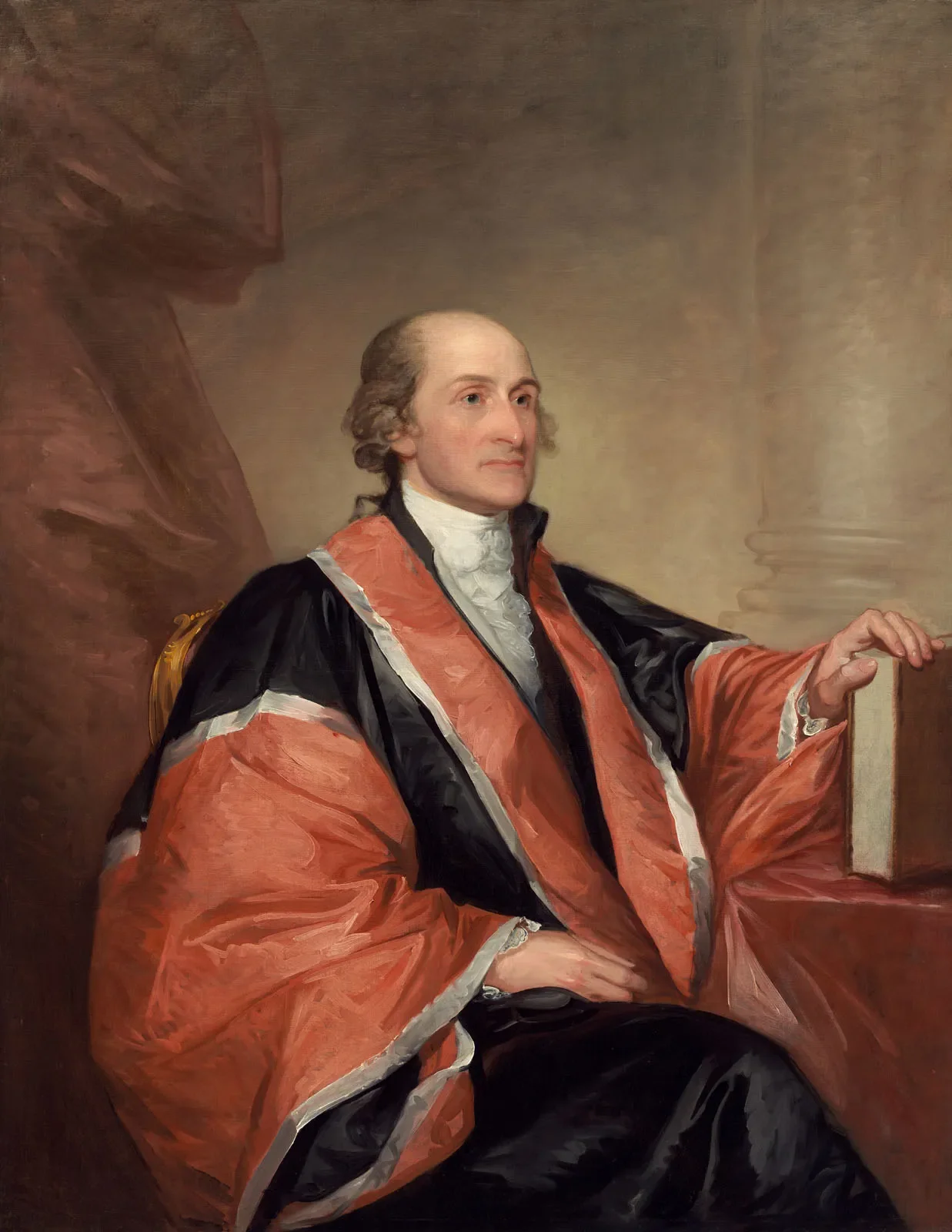
John Jay, the first Chief Justice of the United States, might have approached these questions differently. As a Founding Father, he would likely not begin by asking which new policies to add. Instead, he would ask why the Constitution’s existing mechanisms are no longer producing legitimacy, accountability, and public trust.
The Founders did not believe the Constitution was perfect. They believed it was amendable by design but only when genuine structural failure, not partisan frustration, justified change. When institutions malfunction, mistrust grows. Political factions begin to doubt that public judgment is fairly reflected in outcomes. Ordinary citizens may come to feel that formal legality has drifted away from perceived legitimacy.
Calls to revise the Constitution or expand the list of amendments are easy to make. There is no guarantee, however, that such changes would improve the situation. In the end, much depends on the behavior of citizens themselves on their commitment to shared values and to the fundamental principles on which the nation was founded.
A constitution can frame a republic, but only civic characters can sustain it.