John Adams - Why One Vote Matters
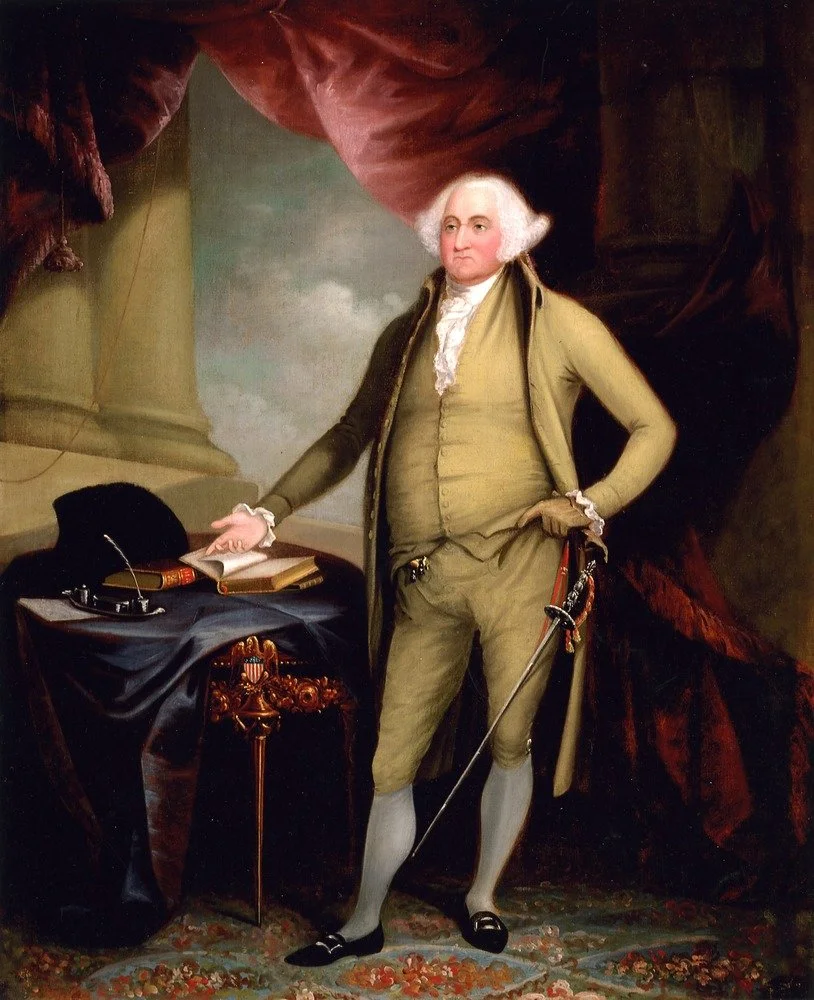
Michael once asked a question that many people still ask today: Why should I vote when I am only one person? What difference can a single vote make?
The question stayed with him until one day he imagined what John Adams one of the principal architects of the American Constitution might have answered.
Adams would likely have begun not with politics, but with an ordinary example.
Suppose he might say that you had an idea an idea so practical and fair that it could improve life in your town, perhaps even across the country. You first shared it with your neighbors. They listened, discussed it, and agreed that it was worth pursuing. Encouraged by their support, you wrote the idea down and brought it to the village clerk. Others began to notice it as well. What started as one person’s thought slowly gained attention until more and more people recognized its value.
In time, that idea could reach your elected representative. If enough citizens supported it, debated it, and voted for leaders willing to carry it forward, the proposal might one day become law. It could even be remembered as “Michael’s Law.”
At first, Michael smiled at the thought. It sounded unrealistic, too simple to be true.
Yet Adams himself had once faced the same skepticism. When he and the other Founders were young, many doubted that ordinary citizens could govern themselves successfully. The idea that people not kings, not aristocrats, not inherited rulers—could shape a nation seemed uncertain and fragile.
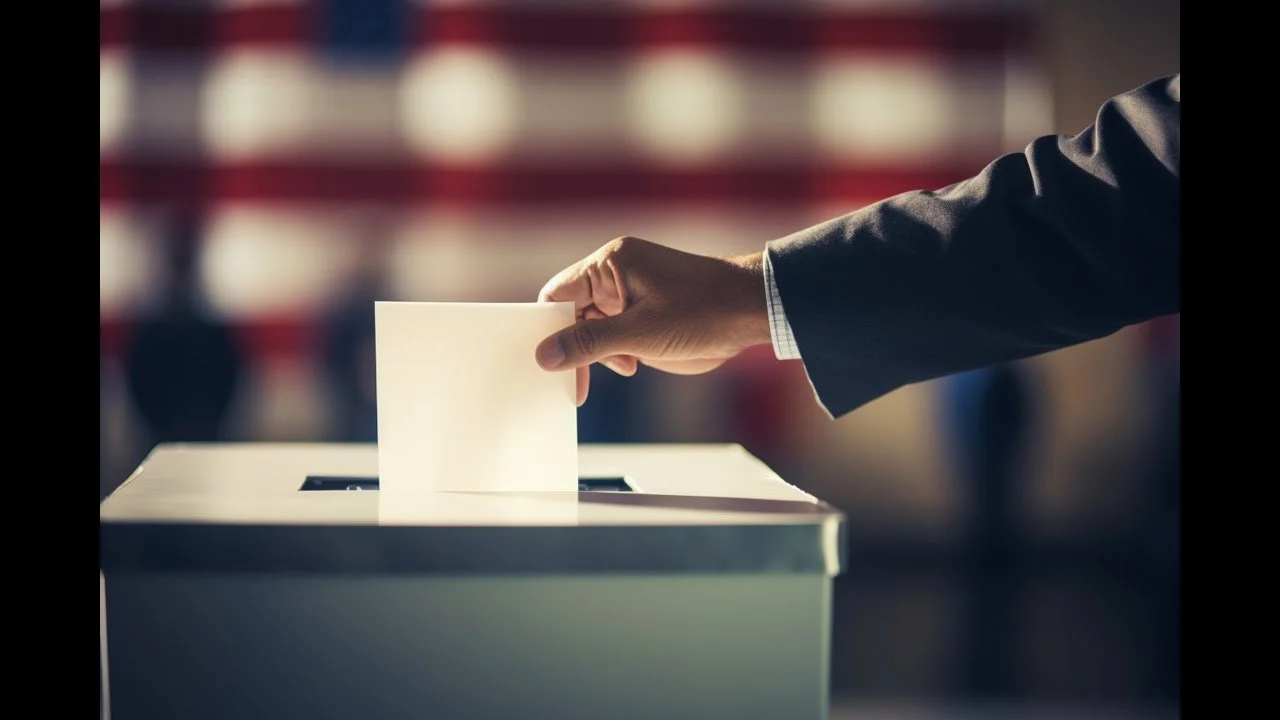
But that was precisely the experiment they chose to build.
In a republic, Adams would explain, power does not begin in government. It begins with citizens. Representatives do not create authority for themselves; they receive it from the people who elect them. A vote is therefore more than a mark on paper it is the act by which a citizen lends direction to public life.
That is what makes a republic different from other systems. In a republic, the people choose who will speak for them and what priorities those representatives should defend. Voting is the means by which citizens transform personal concerns into public action.
Michael began to understand that a single vote, by itself, may seem small, but no public decision begins without individuals who first decide to participate.
Adams’s advice would likely have been simple: vote once, and then speak with others. Discuss what matters with friends, family, neighbors, and classmates. Listen as much as you argue. If common ground appears, support it together.
For laws in a republic deserve respect precisely because they arise, however imperfectly, from the people themselves.
And behind that principle stands the oldest American lesson: this country began because ordinary people believed that freedom required participation.